
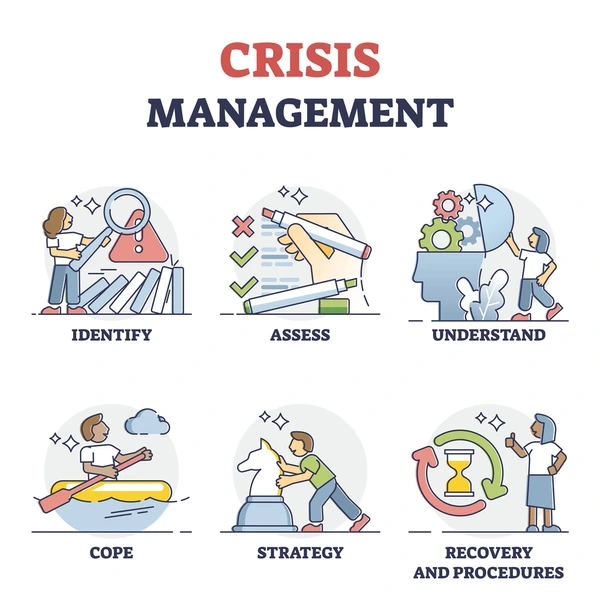
A phone call no contractor ever wants to get starts like this:
“Ken, we have a problem. One of our technicians accidentally flooded a customer’s basement during a water heater replacement. The customer is furious, threatening to sue, and already posted a scathing review online. What do we do?”
This contractor had spent 15 years building a strong reputation, but within 24 hours, one mistake threatened to unravel it all.
This contractor had built a solid reputation over 15 years, but in the span of 24 hours, he was facing potential business disaster from a single incident.
Here’s what drives me crazy: Most contractors think crisis management means damage control after something goes wrong. But the contractors who survive and thrive through inevitable problems understand that crisis management is about preparation, process, and turning disasters into demonstrations of character.
The truth is, every home service contractor will face serious problems at some point. Equipment will fail, employees will make mistakes, customers will be unreasonable, and sometimes things will go spectacularly wrong.
The difference between contractors who recover from crises and those who get destroyed by them? A systematic approach to crisis management that actually strengthens customer relationships and builds long-term trust.
The $500,000 Crisis Management Reality
Let me hit you with some numbers that’ll make you rethink how you handle problems.
The Cost of Poor Crisis Management:
- One negative viral review can cost you 30+ potential customers
- Poor problem handling leads to 67% of customers never using your services again
- Legal defense costs for preventable disputes average $15,000-$50,000
- Word-of-mouth damage from one poorly handled crisis can take years to overcome
The Value of Excellent Crisis Management:
- Customers whose problems are resolved quickly and professionally are 2.3x more likely to become repeat customers
- 89% of customers who experience excellent problem resolution become advocates and referral sources
- Companies with systematic crisis management protocols have 4x faster recovery times
- Well-handled crises often result in stronger customer relationships than if the problem never occurred
The Reputation Math: It takes 12 positive experiences to overcome the impact of one unresolved negative experience. But one exceptionally well-handled crisis can generate more customer loyalty than years of routine good service.
The Psychology of Crisis Response
Understanding what customers really want during a crisis is crucial for effective crisis management.
The Acknowledgment Need: Customers need to feel heard and understood. They want acknowledgment that their problem is real, significant, and worthy of immediate attention.
The Competence Reassurance: When things go wrong, customers question your competence. They need immediate reassurance that you can fix the problem and prevent it from happening again.
The Control Recovery: Problems make customers feel powerless. Effective crisis management gives customers back a sense of control by involving them in the solution process.
The Relationship Preservation: Customers want to know that you value the relationship more than avoiding responsibility. They’re watching to see whether you’ll step up or make excuses.
The Future Security: Customers need confidence that similar problems won’t happen again. They want to see evidence of systemic improvements, not just fixes for the immediate problem.
The Five-Phase Crisis Management System
Here’s the systematic approach for handling any crisis that threatens your business reputation:
Phase 1: Immediate Response and Damage Assessment
The first 60 minutes after discovering a crisis determine whether you’ll manage it effectively or let it spiral out of control.
The Golden Hour Protocol:
Immediate Actions (First 15 Minutes):
- Stop the Problem: If possible, immediately stop or contain the problem
- Ensure Safety: Verify no safety hazards exist for customers or employees
- Gather Facts: Collect basic facts about what happened, when, and who was involved
- Alert Management: Notify appropriate management and decision-makers immediately
Damage Assessment (Next 15 Minutes):
- Problem Scope: Understand the full extent of the problem and potential consequences
- Customer Impact: Assess impact on affected customer(s) and their property
- Legal Implications: Identify potential legal or insurance implications
- Reputation Risk: Evaluate potential reputation and business impact
Initial Communication (Next 30 Minutes):
- Customer Contact: Contact affected customer(s) personally to acknowledge the problem
- Team Notification: Brief relevant team members on the situation and response plan
- Documentation: Begin documenting all facts, actions, and communications
- Resource Mobilization: Identify and mobilize resources needed for resolution
The Critical First Customer Call:
“[Customer Name], this is [Your Name] from [Company]. I just learned about the problem with [specific issue] at your property. I want you to know that I take full responsibility, and my only priority right now is making this right for you. I’m personally coming to your location within the hour to assess the situation and discuss how we’re going to fix this completely. I know this is stressful, and I’m committed to resolving it quickly and properly.”
Phase 2: Comprehensive Problem Assessment and Planning
Once immediate damage is controlled, conduct thorough assessment and develop comprehensive response plan.
Root Cause Analysis:
- Timeline Reconstruction: Create detailed timeline of events leading to the problem
- System Failure Analysis: Identify where processes, training, or systems failed
- Human Factor Assessment: Understand human errors or decision-making that contributed
- External Factor Review: Identify external factors beyond your control that contributed
Impact Assessment:
- Customer Impact: Full assessment of inconvenience, damage, and costs to customer
- Business Impact: Potential legal, financial, and reputational consequences
- Stakeholder Impact: Effects on employees, suppliers, and other customers
- Long-term Implications: Potential long-term consequences and needed changes
Solution Development:
- Immediate Fixes: What needs to be done right now to address urgent issues
- Complete Resolution: Comprehensive plan to fully resolve all aspects of the problem
- Prevention Measures: Systemic changes to prevent similar problems in the future
- Relationship Repair: Specific actions to rebuild trust and strengthen relationships
Resource Planning:
- Personnel Allocation: Who will be responsible for different aspects of resolution
- Financial Resources: Budget for resolution, compensation, and improvements
- Timeline Development: Realistic timeline for complete resolution
- Communication Plan: Ongoing communication strategy with all stakeholders
Phase 3: Comprehensive Resolution and Communication
Execute your resolution plan with clear communication and systematic follow-through.
The Resolution Framework:
Immediate Relief (First 24 Hours):
- Emergency Measures: Provide immediate relief or temporary solutions
- Inconvenience Compensation: Address immediate inconvenience and disruption
- Progress Updates: Regular communication about resolution progress
- Expectation Setting: Clear timeline and expectations for complete resolution
Complete Resolution (Days 2-7):
- Full Problem Correction: Complete and permanent resolution of all issues
- Quality Verification: Thorough verification that resolution meets standards
- Customer Approval: Customer approval and satisfaction with resolution
- Documentation: Complete documentation of resolution and lessons learned
Relationship Restoration:
- Personal Apology: Sincere, personal apology from business owner
- Value Recovery: Additional value or compensation beyond just fixing the problem
- Future Assurance: Specific commitments about preventing similar problems
- Relationship Investment: Efforts to strengthen the relationship going forward
Communication Excellence:
The Power of Over-Communication: During crises, customers need more communication, not less. Provide updates even when there’s no new information to share.
Daily Update Example: “Good morning, [Customer Name]. This is [Your Name] with an update on your situation. Yesterday we completed [specific actions]. Today we’re [specific actions]. Everything remains on schedule for complete resolution by [date]. I’ll call you again tomorrow at this time with another update. Do you have any questions or concerns I can address right now?”
Phase 4: Prevention and System Improvement
Turn every crisis into an opportunity to improve your business systems and prevent future problems.
System Analysis and Improvement:
Process Review:
- Current Process Analysis: Examine existing processes that failed or contributed to the problem
- Gap Identification: Identify specific gaps in training, procedures, or oversight
- Best Practice Research: Research industry best practices for preventing similar problems
- Improvement Design: Design improved processes, training, and quality control measures
Training and Education:
- Team Education: Train all team members on lessons learned from the crisis
- Skill Development: Provide additional training to address skill gaps revealed by the crisis
- Scenario Training: Create training scenarios based on the crisis experience
- Ongoing Education: Integrate lessons learned into ongoing training programs
Quality Control Enhancement:
- Inspection Protocols: Implement additional quality control and inspection steps
- Verification Systems: Create verification systems to catch problems before customers do
- Feedback Mechanisms: Improve customer feedback systems to identify problems earlier
- Continuous Improvement: Create systems for ongoing process improvement
Cultural Integration:
- Value Reinforcement: Reinforce company values and customer service standards
- Accountability Systems: Improve accountability and responsibility systems
- Problem-Solving Culture: Foster a culture of proactive problem identification and resolution
- Customer Focus: Strengthen customer-focused thinking and decision-making
Phase 5: Reputation Recovery and Strengthening
Transform crisis management success into long-term reputation enhancement.
Proactive Reputation Management:
Success Story Development:
- Crisis Resolution Documentation: Document the complete crisis resolution process
- Customer Testimonials: Collect testimonials about crisis management and resolution
- Process Improvement Communication: Share process improvements made as a result of the crisis
- Transparency Demonstration: Show how you handle problems transparently and responsibly
Stakeholder Communication:
- Team Recognition: Recognize team members who excelled during crisis management
- Process Communication: Share improved processes and training with all stakeholders
- Industry Sharing: Share lessons learned with industry peers and associations
- Community Engagement: Demonstrate community responsibility and accountability
Long-term Relationship Building:
- Follow-up Systems: Systematic follow-up to ensure continued customer satisfaction
- Relationship Monitoring: Monitor relationship health with affected customers
- Advocacy Development: Turn crisis-affected customers into advocates and referral sources
- Trust Building: Use crisis management success to build trust with other customers
Advanced Crisis Management Strategies
The Preemptive Crisis Management Strategy
Crisis Prevention Through Systematic Risk Assessment:
Risk Identification:
- Service Risk Analysis: Identify potential risks in every service offering
- Employee Risk Assessment: Assess risk factors in employee training and performance
- Equipment Risk Evaluation: Evaluate equipment failure risks and prevention measures
- Customer Risk Factors: Identify customer situations that increase problem risk
Prevention Systems:
- Quality Control Protocols: Systematic quality control at every service step
- Training Programs: Comprehensive training on risk prevention and management
- Equipment Maintenance: Preventive maintenance to prevent equipment-related problems
- Customer Communication: Clear communication to prevent misunderstandings
The Crisis Communication Mastery Strategy
Multi-Channel Communication Management:
Internal Communication:
- Team Notification Systems: Rapid notification systems for crisis situations
- Management Escalation: Clear escalation procedures for different crisis levels
- Information Management: Systems for managing and sharing crisis information
- Decision Authority: Clear authority and decision-making protocols
External Communication:
- Customer Communication: Multiple communication channels for customer updates
- Media Relations: Prepared responses for potential media inquiries
- Social Media Management: Crisis response protocols for social media platforms
- Industry Communication: Communication with industry peers and associations
The Legal Protection Integration Strategy
Legal Risk Management:
Documentation Standards:
- Incident Documentation: Comprehensive documentation of all crisis incidents
- Communication Records: Complete records of all customer and stakeholder communication
- Resolution Documentation: Detailed documentation of resolution actions and outcomes
- Improvement Records: Documentation of system improvements made post-crisis
Legal Consultation:
- Risk Assessment: Legal review of potential liability and risk factors
- Response Strategy: Legal input on crisis response and communication strategies
- Insurance Coordination: Coordination with insurance carriers when appropriate
- Preventive Legal Review: Regular legal review of policies and procedures
Industry-Specific Crisis Management
HVAC Crisis Management
Common HVAC Crisis Scenarios:
- Heating System Failure: During extreme weather conditions
- Air Conditioning Breakdown: During peak summer heat
- Carbon Monoxide Issues: Safety-related system problems
- Water Damage: From condensation or drainage problems
- Property Damage: From installation or repair mistakes
HVAC-Specific Response Protocols:
- Emergency Comfort Solutions: Immediate temporary heating or cooling solutions
- Safety Priority: Immediate safety assessment and resolution for gas or electrical issues
- Health Impact: Address any health impacts from comfort system failures
- Property Protection: Immediate steps to prevent property damage from system problems
Plumbing Crisis Management
Common Plumbing Crisis Scenarios:
- Water Damage: From pipe breaks, leaks, or installation errors
- Sewer Backups: Drainage system failures affecting customer property
- No Water Service: Complete loss of water service to property
- Contamination Issues: Water quality or safety problems
- Property Access: Damage requiring access to walls, floors, or foundations
Plumbing-Specific Response Protocols:
- Water Shutoff: Immediate water shutoff to prevent additional damage
- Damage Mitigation: Immediate steps to minimize water damage
- Alternative Water: Temporary water service solutions when needed
- Health and Safety: Address any health or safety implications of plumbing problems
Electrical Crisis Management
Common Electrical Crisis Scenarios:
- Power Outages: Loss of electrical service to property
- Safety Hazards: Electrical hazards creating safety risks
- Fire Damage: Electrical problems causing fire or fire damage
- Code Violations: Work that doesn’t meet electrical codes
- Equipment Damage: Electrical problems damaging customer equipment
Electrical-Specific Response Protocols:
- Safety First: Immediate safety assessment and hazard elimination
- Power Restoration: Emergency power restoration when safe and possible
- Code Compliance: Immediate code compliance verification and correction
- Damage Assessment: Professional assessment of any equipment or property damage
Technology Tools for Crisis Management
Essential Crisis Management Technology:
Communication Systems:
- Emergency Contact Lists: Rapidly accessible contact information for all stakeholders
- Mass Communication Tools: Ability to quickly communicate with multiple people
- Mobile Communication: 24/7 communication capability from any location
- Documentation Tools: Mobile tools for documenting crisis situations and responses
Customer Management Integration:
- CRM Integration: Crisis information integration with customer management systems
- Service History: Immediate access to customer service history and preferences
- Communication Tracking: Complete tracking of all crisis-related communication
- Follow-up Systems: Automated systems for systematic crisis follow-up
Monitoring and Analytics:
- Review Monitoring: Automated monitoring of online reviews and mentions
- Social Media Tracking: Real-time monitoring of social media mentions and discussions
- Reputation Analytics: Tracking of reputation impact and recovery metrics
- Performance Measurement: Systems for measuring crisis management effectiveness
Case Studies: Crisis Management Success Stories
Case Study 1: Water Damage Recovery (Seattle Plumbing)
The Crisis: Technician installing water heater caused significant basement flooding during peak holiday season.
Crisis Details:
- Incident: Improper connection caused 2 hours of flooding before discovery
- Damage: $8,500 in basement damage including flooring, furniture, and stored items
- Timing: December 23rd, major holiday impact on customer family gathering
- Initial Response: Customer extremely upset, threatened legal action, posted angry social media
Crisis Management Implementation:
Phase 1: Immediate Response (Hour 1)
- Owner Response: Business owner personally at scene within 45 minutes
- Water Mitigation: Professional water extraction service called immediately
- Temporary Solutions: Portable heaters and dehumidifiers provided same day
- Accountability: Full responsibility accepted without excuses or blame
Phase 2: Comprehensive Assessment (Day 1-2)
- Damage Assessment: Professional restoration company provided complete damage assessment
- Insurance Coordination: Coordinated directly with customer’s insurance company
- Alternative Arrangements: Paid for temporary accommodations during repair
- Communication Plan: Committed to daily updates until complete resolution
Phase 3: Complete Resolution (Week 1-2)
- Full Restoration: Paid for complete basement restoration beyond original damage
- Upgrade Value: Upgraded flooring and fixtures beyond original specifications
- Holiday Compensation: Additional compensation for disrupted holiday plans
- Future Prevention: Installed automatic shutoff valve at customer’s expense
Phase 4: System Improvement
- Process Review: Comprehensive review of water heater installation procedures
- Training Enhancement: Additional training for all technicians on connection procedures
- Quality Control: Double-check system for all water heater installations
- Emergency Response: Improved emergency response protocols for water damage
Results:
- Customer Transformation: Customer became strong advocate and referral source
- Team Learning: Entire team learned from experience, preventing future incidents
- Process Improvement: Zero water damage incidents in following 24 months
- Reputation Enhancement: Crisis management became competitive advantage
- Referral Generation: Customer referred 8 new customers citing crisis management excellence
- Social Media Reversal: Customer updated social media posts praising crisis response
Case Study 2: Safety Crisis Management (Phoenix Electrical)
The Crisis: Electrical work caused minor house fire, triggering fire department response and safety concerns.
Crisis Details:
- Incident: Improper wiring connection caused electrical fire in wall cavity
- Safety Impact: Fire department response, temporary evacuation of family
- Property Damage: Minor fire damage but major smoke damage throughout house
- Emotional Impact: Family traumatized by fire and safety concerns about electrical work
- Insurance: Both customer and contractor insurance companies involved
Comprehensive Crisis Response:
Immediate Safety Response:
- Scene Response: Owner and senior electrician on-site within 30 minutes
- Safety Verification: Complete electrical system inspection with fire department
- Temporary Relocation: Paid for family hotel stay during smoke remediation
- Communication: Regular updates to family about safety verification and progress
Problem Resolution:
- Complete Rewiring: Rewired entire affected circuit beyond just fixing the problem
- Safety Upgrades: Added smoke detectors and safety improvements at no charge
- Professional Restoration: Coordinated complete smoke damage restoration
- Insurance Cooperation: Full cooperation with both insurance companies
System Improvements:
- Safety Protocol: Enhanced safety inspection protocols for all electrical work
- Training Program: Additional fire safety and prevention training for entire team
- Quality Assurance: Triple-check system for all electrical connections
- Emergency Preparedness: Improved emergency response and coordination procedures
Long-term Follow-up:
- Monthly Check-ins: Monthly safety and satisfaction check-ins for six months
- Annual Inspections: Free annual electrical safety inspections for five years
- Family Relationship: Developed personal relationship with family focused on their safety
- Community Service: Sponsored community electrical safety education program
Results:
- Safety Record: Zero safety incidents in 36 months following crisis
- Customer Advocacy: Family became strong advocates for electrical safety and company
- Team Excellence: Team developed reputation for exceptional safety practices
- Community Recognition: Recognized by fire department for electrical safety excellence
- Business Growth: Safety reputation became major competitive advantage
- Industry Leadership: Shared safety practices with other electrical contractors
Financial Impact of Crisis Management
Cost-Benefit Analysis Framework:
Crisis Management Investment:
- Training Investment: Staff training on crisis management protocols
- System Development: Technology and processes for crisis management
- Insurance Coverage: Appropriate insurance coverage for crisis situations
- Emergency Resources: Resources available for immediate crisis response
Crisis Cost Comparison:
Poor Crisis Management:
- Legal Costs: $15,000-$50,000 in legal defense and settlement costs
- Reputation Damage: 20-30% revenue decrease from reputation damage
- Customer Loss: 67% of crisis-affected customers never return
- Marketing Costs: 3-5x normal marketing costs to overcome reputation damage
- Total Cost: $100,000-$500,000 for major crisis poorly managed
Excellent Crisis Management:
- Resolution Costs: $5,000-$25,000 for complete problem resolution
- Process Improvement: $10,000-$20,000 for system improvements
- Customer Retention: 89% of crisis-affected customers become advocates
- Referral Generation: Crisis-affected customers generate 2-3x more referrals
- Total Investment: $15,000-$45,000 for major crisis well-managed
ROI of Crisis Management Excellence:
- Cost Avoidance: $85,000-$455,000 in avoided costs
- Revenue Protection: Maintained customer relationships worth $200,000-$500,000
- Revenue Enhancement: Additional referrals worth $50,000-$150,000 annually
- Total Value: $335,000-$1,105,000 value from excellent crisis management
Building Your Crisis Management System
30-Day Crisis Preparedness Plan:
Week 1: Crisis Assessment and Planning
- Risk Assessment: Identify potential crisis scenarios specific to your business
- Response Team: Identify crisis management team and assign responsibilities
- Communication Plan: Develop internal and external communication protocols
- Resource Planning: Identify resources available for crisis response
Week 2: Process Development and Documentation
- Response Procedures: Develop step-by-step crisis response procedures
- Communication Templates: Create templates for crisis communication
- Documentation Systems: Implement crisis documentation and tracking systems
- Legal Review: Have crisis management procedures reviewed by attorney
Week 3: Training and Preparation
- Team Training: Train all staff on crisis management procedures and communication
- Scenario Practice: Practice crisis response with realistic scenarios
- Communication Training: Train staff on crisis communication and customer interaction
- System Testing: Test all crisis management systems and procedures
Week 4: Integration and Optimization
- Process Integration: Integrate crisis management into daily operations
- Monitoring Systems: Implement monitoring systems for potential crisis indicators
- Improvement Planning: Plan ongoing improvement and refinement of crisis procedures
- Performance Metrics: Establish metrics for measuring crisis management effectiveness
Ready to Build Unshakeable Crisis Management?
Look, here’s the reality: Problems will happen in your business. Equipment will fail, employees will make mistakes, and customers will sometimes have unreasonable expectations.
The question isn’t whether you’ll face crises—it’s whether you’ll be prepared to handle them professionally and turn them into opportunities to demonstrate your character and competence.
Every contractor who’s built a lasting business understands that reputation isn’t built by avoiding problems—it’s built by handling problems better than anyone else.
Ready to transform crisis management from your biggest fear into your competitive advantage?
Let’s talk about building a crisis management system that protects your reputation and actually strengthens customer relationships when problems occur.
Because the contractors who thrive long-term aren’t the ones who never have problems—they’re the ones who handle problems so well that customers trust them even more afterward.